
Last updated October 30, 2026
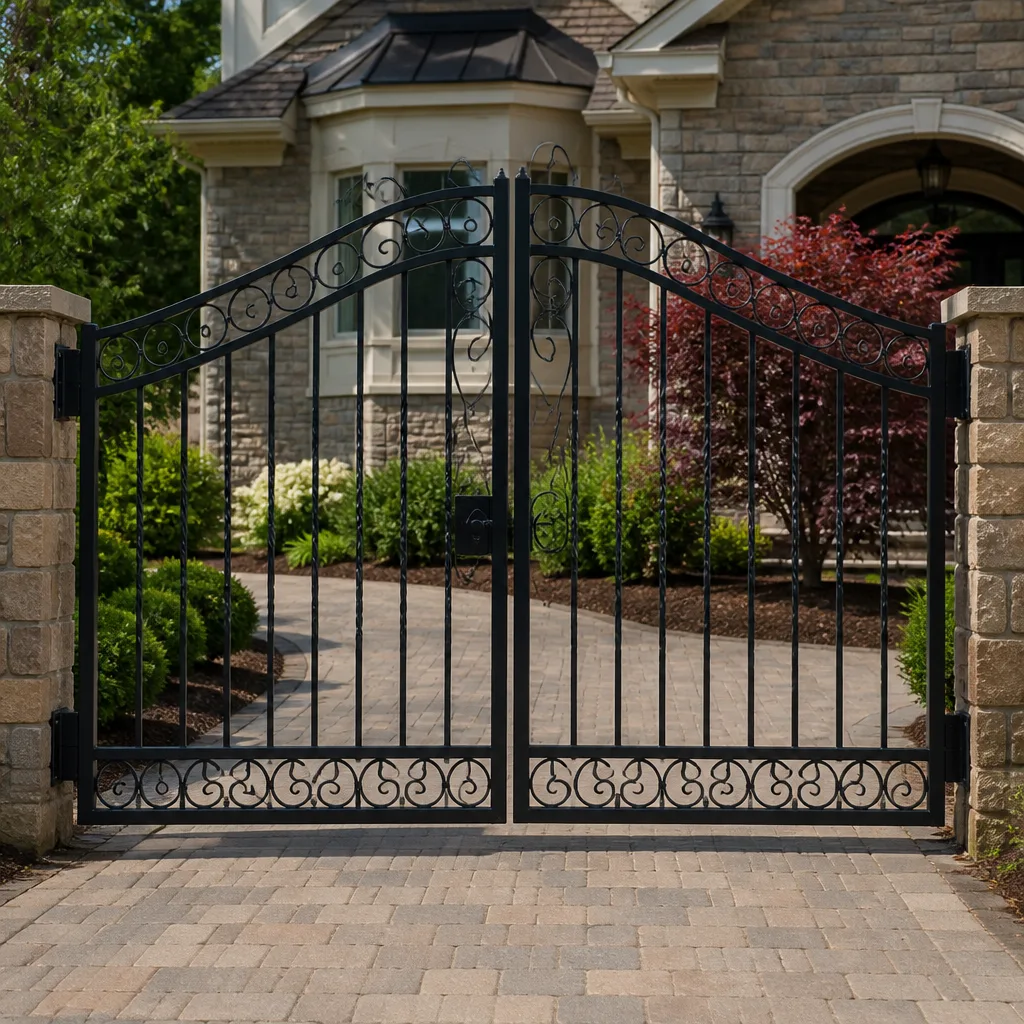 Wrought iron
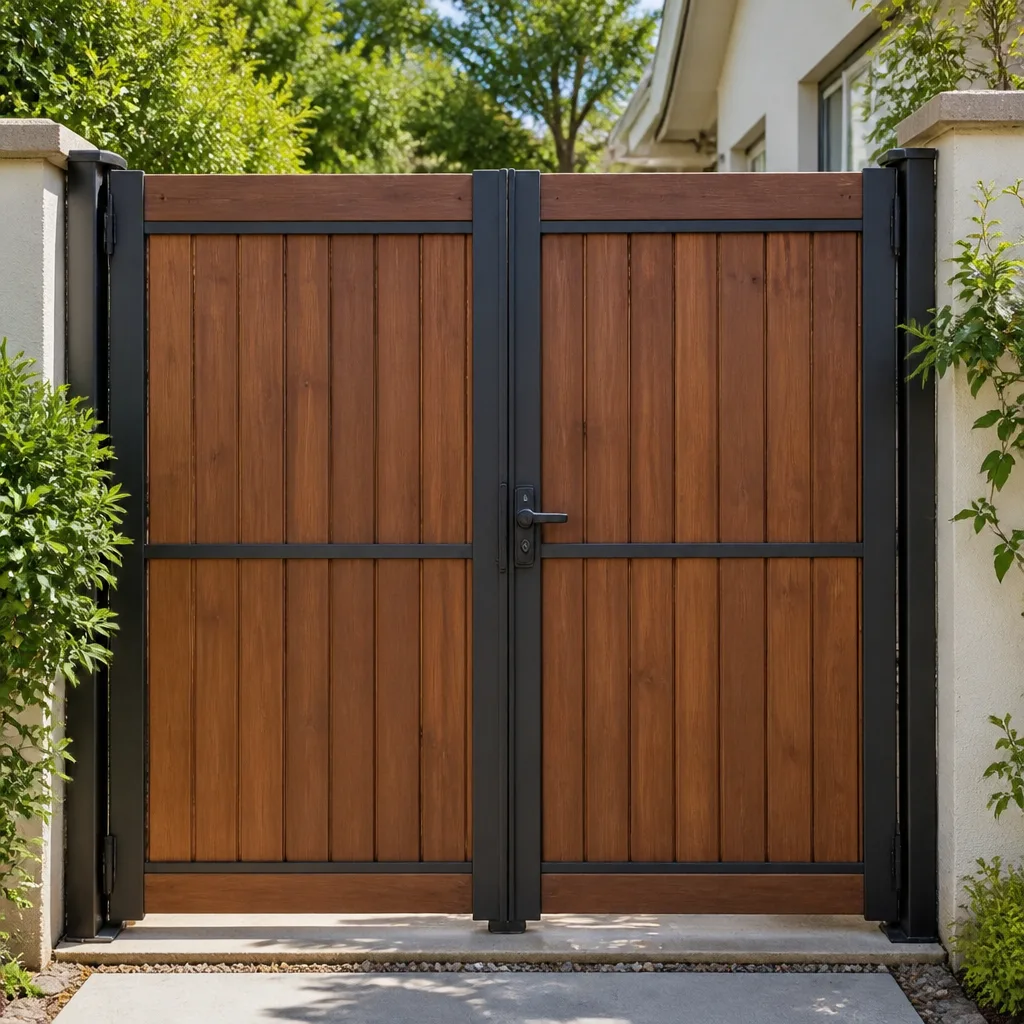 Wood & steel frame
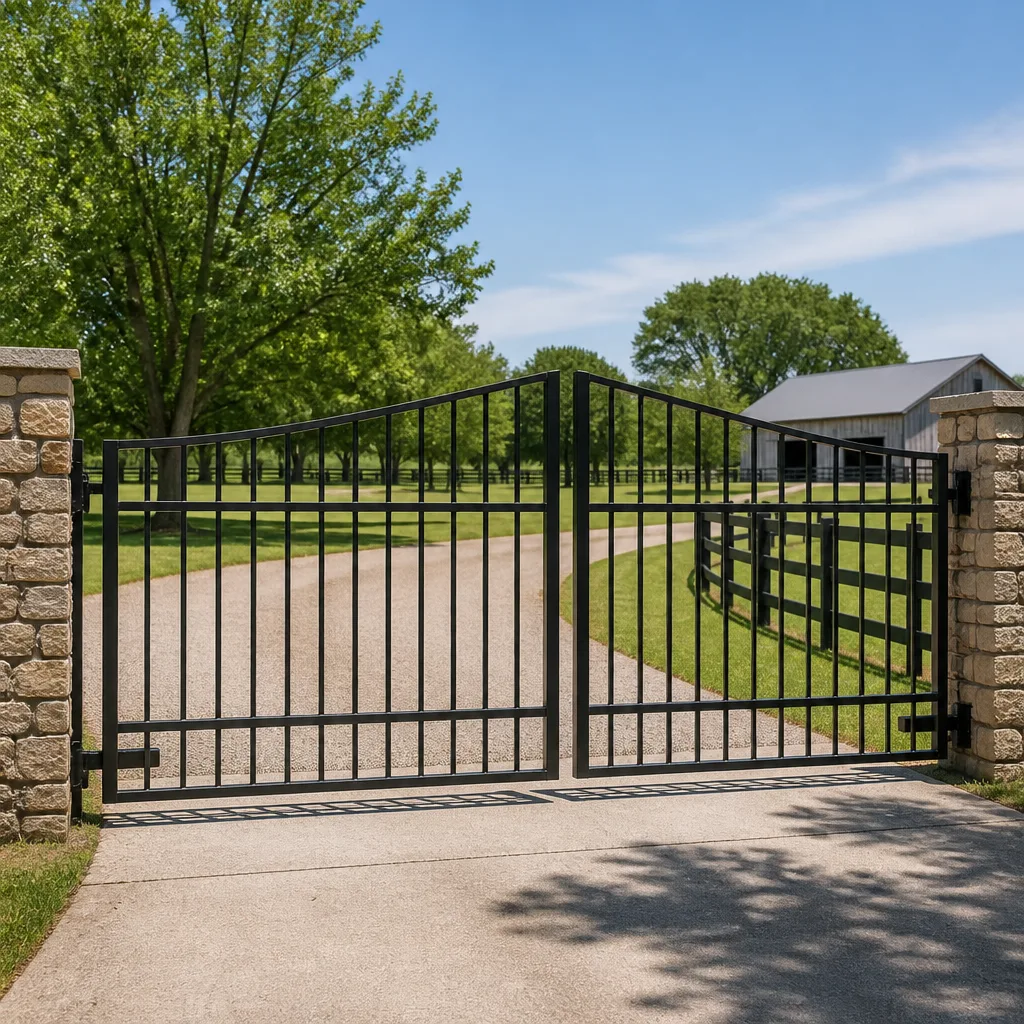 Farm & ranch
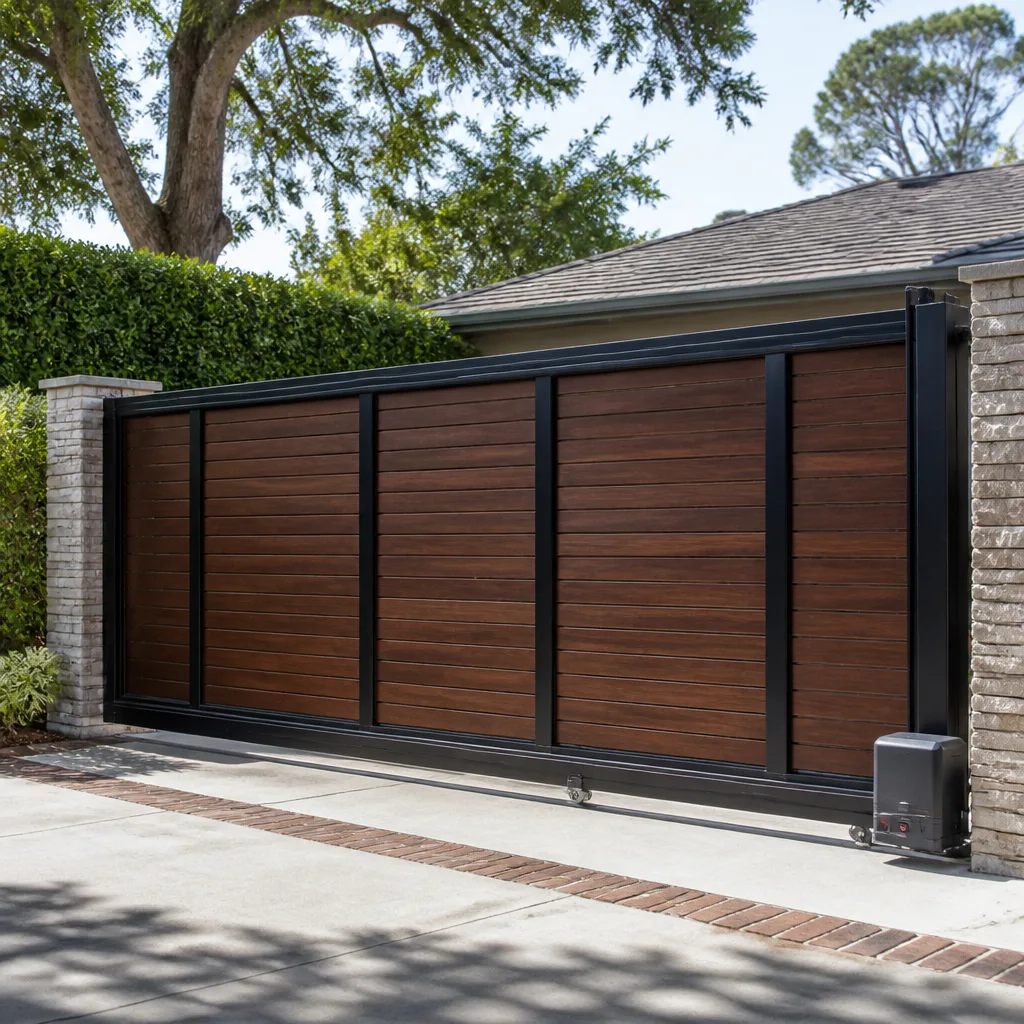 Sliding driveway gates
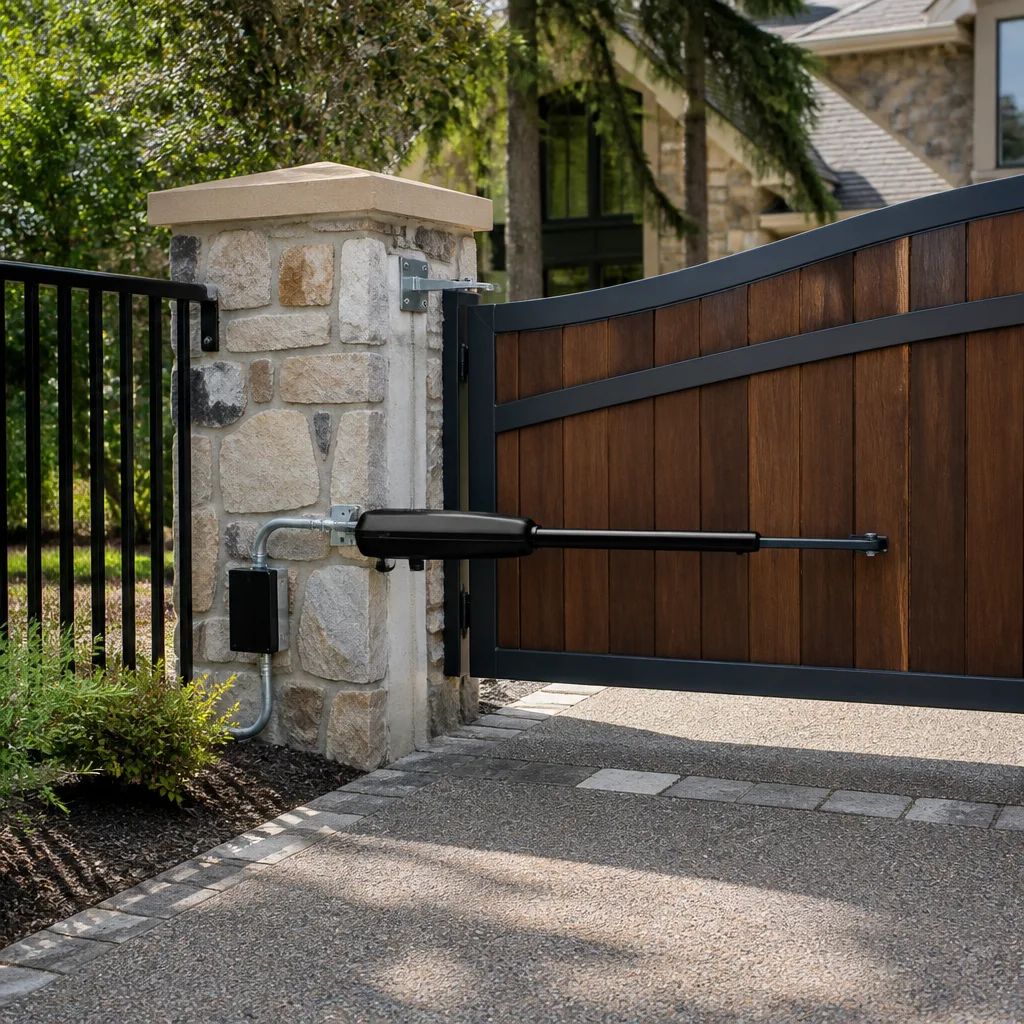 LiftMaster operators
Free on-site gate assessment - hinges, posts, and your LiftMaster or Nice gate operator checked before anything is quoted
The assessment is free and the quote is the invoice.
Get your free estimateChoosing the Right Gate Repair Brand: A Buyer’s Guide for Ontario
The difference between a gate operator that runs for fifteen years and one that becomes a recurring headache often comes down to something you won’t find on any manufacturer’s spec sheet: how hard it is to get parts for that specific brand in Ontario, California. We’ve pulled failed control boards out of operators where the replacement took three weeks to arrive from a factory warehouse on the other side of the country. Meanwhile, the brand sitting right next to it on the comparison chart had the identical board sitting on a shelf at an Inland Empire distributor, ready for pickup that afternoon. This guide is built around that reality. You’ll learn how to evaluate gate operator brands in Ontario based on repairability, parts availability, climate durability, and total cost of ownership, not just horsepower ratings and feature lists.
Styles & brands we work with
Quick Answer
The best gate operator brand in Ontario, CA is the one your local gate specialist can repair the fastest when it fails, and every operator fails eventually. Linear and DoorKing currently offer the strongest combination of local parts availability and technician familiarity in the Inland Empire market, while LiftMaster and Viking remain solid choices for specific applications. Prioritize brands with local distributor stock and proven durability in sustained summer heat over brands with lower purchase prices but factory-direct-only parts pipelines.
Table of Contents
- Parts Availability: The Real Brand Differentiator in Ontario
- Total Cost of Ownership: Beyond the Purchase Price
- Climate Suitability: Ontario Heat and Gate Operator Longevity
- Brand-by-Brand: What Ontario Technicians Actually See
- Upgrade Versus Replace: When to Abandon a Difficult Brand
- Residential Versus Commercial: Matching Brand to Application
- Common Mistakes to Avoid
- When to Call a Professional
- Frequently Asked Questions
- The Bottom Line
Parts Availability: The Real Brand Differentiator in Ontario
When a gate operator fails, the clock starts. A gate stuck open is a security liability. A gate stuck closed is a driveway you can’t use. Every repair timeline in Ontario depends on one question: where does the replacement part come from? Some manufacturers maintain active distribution channels through Inland Empire suppliers. Electrical distributors and gate-specific wholesalers in Ontario, Rancho Cucamonga, and Riverside stock control boards, limit switches, capacitor kits, and receiver modules for these brands on their shelves. When a technician pulls a failed board, a replacement can often be sourced the same day.
Other brands operate on a factory-direct model. The distributor network is thin or nonexistent. A replacement control board gets ordered from a warehouse in Ohio, Texas, or overseas. Shipping takes five to ten business days in the best case. During holiday weeks or supply chain disruptions, two to four weeks is realistic. That’s the scenario the opening of this guide described, and it’s not hypothetical. We’ve had customers in Ontario wait three weeks for a Mighty Mule board because no local distributor carried it and the factory order backlogged.
Here’s what makes this relevant to your brand decision. The operator you choose today determines what repair timelines you’ll live with for the next decade. A Linear or DoorKing operator, both of which have established Inland Empire distribution, can usually be repaired within a day or two of diagnosis. A lesser-distributed brand might mean manual operation of your gate for a week or more every time an electronic component fails.
Before you commit to a brand, call a local gate company and ask a direct question: “If this operator’s control board failed tomorrow, how fast could you get a replacement?” A specialist who services the brand regularly will answer immediately. If the answer involves “factory order” or “let me check lead times,” that’s your repair timeline for the life of the operator.
Total Cost of Ownership: Beyond the Purchase Price
The purchase price of a gate operator is the smallest number in your ten-year cost equation. A $900 operator that needs a $450 control board replacement and two service calls in its first four years costs more than a $1,600 operator that runs for eight years with one maintenance visit. Ontario homeowners and property managers who evaluate brands on sticker price alone routinely spend more over the life of the system. Here’s how to do the real math.
Five Factors in the Total Cost of Ownership Calculation
- Repair frequency. How often does this brand fail in the Ontario climate? Some operators have documented weak points that show up repeatedly in local service records. We see certain brands with recurring capacitor failures and control board overheating issues in sustained summer heat.
- Parts cost. Replacement boards for some manufacturers cost under $200. Others exceed $600. Multiply that difference by the number of failures you’re likely to experience over ten years.
- Parts availability timeline. Every day your gate is down has a cost. For a homeowner, it’s security exposure and inconvenience. For a property manager, it’s tenant complaints, liability risk, and possibly security guard coverage. A two-week parts wait can cost more than the part itself.
- Technician familiarity. A technician who has repaired your brand a hundred times diagnoses the problem in minutes and fixes it in one visit. A technician who has to research the wiring diagram, order unfamiliar parts, and make a second trip costs you more in labor even if the part is cheap.
- Planned maintenance needs. Some brands are designed for periodic maintenance and tolerate it well. Others fail spectacularly when neglected. If your property manager isn’t scheduling annual gate inspections, choose a brand that’s forgiving of deferred maintenance.
Here’s a practical example. A property manager in Ontario with a commercial slide gate running a Viking operator might pay $400 more upfront than a comparable Linear. But the Viking’s local parts support and the fact that most Ontario gate companies stock Viking boards means any repair is typically a same-day affair. The Linear alternative, while cheaper initially, might carry a lower duty cycle rating that leads to premature motor wear under daily commercial cycling. The cheaper purchase price evaporates in year three.
This is why brand comparison charts in big-box stores don’t tell you what you need to know for an Ontario installation. They compare purchase price, horsepower, and features. They can’t show you repair frequency, parts wait times, or labor rates in the Inland Empire.
Climate Suitability: Ontario Heat and Gate Operator Longevity
Ontario’s summer climate is hostile to electronics. July and August regularly push above 95 degrees with direct sun exposure on gate operator housings that can push internal temperatures 20 to 30 degrees higher. Control boards, capacitors, and transformer components all degrade faster in sustained heat. A brand that performs well in coastal climates or mild Northern California weather can fail repeatedly in Ontario’s inland heat.
What to Look for in Heat-Tolerant Operator Design
- Vented or thermally protected housings. Some operators use sealed enclosures that trap heat. Others include ventilation channels or thermal cutoffs that shut the system down before damage occurs. In Ontario, the vented design wins.
- Capacitor quality and rating. Electrolytic capacitors are the most heat-sensitive component on a control board. Brands that specify higher-temperature capacitors fail less often in inland heat. This is a spec most consumers never see but every repair technician knows.
- Duty cycle rating. A residential operator with a low duty cycle will overheat and shut down if the gate cycles too frequently. In Ontario, where many homes use gates for primary vehicle access with multiple trips per day, an under-rated duty cycle is a recipe for intermittent failures.
- Board coating. Some manufacturers apply conformal coating to protect boards from moisture and dust. In Ontario’s dry summer combined with occasional Santa Ana wind dust events, coated boards survive longer.
We’ve replaced overheating operators in Ontario neighborhoods where the same brand and model runs fine in cooler coastal communities. The failure isn’t a defect in the equipment; it’s a mismatch between the equipment’s thermal design and the local climate. When you’re comparing brands for an Ontario installation, ask your gate specialist which operators they see overheating in local summer conditions. The answer will be based on service history, not marketing materials.
Brand-by-Brand: What Ontario Technicians Actually See
Every gate repair company in Ontario develops a working knowledge of which brands appear on their trucks and which brands appear on their parts-wait list. Here’s what actual service experience in the Inland Empire shows for the brands most common in this market.
Linear: The Repairability Standard
Linear operators are among the most common in residential Ontario installations, and that installed base creates a repair advantage. Distributors in the Inland Empire stock Linear boards, receivers, and replacement parts. Most Ontario gate technicians have serviced dozens of Linear units and can diagnose problems quickly. The brand’s straightforward design philosophy means fewer proprietary components and more affordable replacement parts. For the Ontario homeowner choosing a gate brand, Linear represents the lowest-repair-risk option in the residential category.
DoorKing: Commercial Workhorse with Local Support
DoorKing dominates commercial and multi-family gate applications across the Inland Empire. Their slide gate operators and telephone entry systems appear at apartment complexes, HOAs, and industrial facilities throughout Ontario. The brand’s heavy-duty construction handles daily commercial cycling well. Parts support is strong through commercial gate supply distributors. The trade-off is cost: DoorKing operators run more expensive than residential alternatives, and their control systems require more specialized knowledge. For commercial properties, the repairability equation still favors DoorKing because parts and expertise are locally available.
Viking: Strong Commercial Option, Thinner Residential Presence
Viking access control equipment appears frequently in Ontario commercial and multi-tenant environments, particularly for applications requiring integrated access control. The brand’s hardware is durable, but its distribution network is less dense than Linear or DoorKing in the residential market. For a commercial property manager, Viking is a solid choice when paired with a gate company that regularly services Viking systems. For a homeowner, Viking’s cost and parts lead times usually make it less practical than a Linear equivalent.
Ghost Controls: The Newer Entry with Distribution Gaps
Ghost Controls has gained retail visibility in recent years, often sold through big-box and online channels. The brand’s feature set looks competitive on paper. The problem in Ontario is the repair pipeline. Ghost Controls boards and proprietary components are less likely to be on local distributor shelves, which translates to longer repair timelines. Additionally, fewer Ontario gate companies carry Ghost Controls diagnostic tools or maintain deep familiarity with the brand’s failure points. For a homeowner choosing a brand, the lower upfront cost of Ghost Controls comes with a higher lifetime repair burden in this market.
BFT, FAAC, and Mighty Mule: The Variable Middle
BFT and FAAC have stronger international presences than domestic distribution. In Ontario, their parts pipelines are inconsistent. Some components are available locally; others require factory ordering with multi-week lead times. Mighty Mule occupies the budget end of the market with wide retail availability but thin professional distribution. These brands aren’t bad equipment, but they carry higher repair risk in Ontario specifically because the local parts ecosystem is weaker. If you own one of these brands already, a local specialist who services multiple brands can still keep it running, but replacement part timelines will be longer than Linear or DoorKing equivalents.
Upgrade Versus Replace: When to Abandon a Difficult Brand
One of the harder conversations we have with Ontario customers is when a gate operator from a poorly distributed brand fails for the second or third time, and the repair quote is approaching the cost of a new unit from a better-supported manufacturer. At some point, chasing parts for a Mighty Mule or Ghost Controls operator stops making financial sense.
Here’s the rule we apply. If the repair cost for a single failure exceeds 50 percent of a new operator’s installed cost, and the current brand has a history of parts delays, the smarter move is usually replacement with a Linear or DoorKing unit that has local parts support. You’re not buying an operator; you’re buying ten years of same-day repairability.
The same logic applies when a gate operator is functional but reaching the end of its service life. If your current brand requires factory ordering for common components and the operator is ten years old, preemptive replacement eliminates a future two-week outage. Ontario property managers responsible for tenant access should weigh this especially carefully. A gate that fails during a holiday week with no local parts availability becomes an emergency security problem.
You can read more about the repair process itself on our Gate Repair in Ontario page. For electric and automated system issues specifically, our Electric Gate Repair in Ontario service covers motors, control boards, safety devices, and access systems. And if you’re replacing a failing unit, Gate Installation in Ontario includes brand recommendations matched to your application and a written price before any work begins.
Residential Versus Commercial: Matching Brand to Application
The right brand for a single-family home in Ontario is not necessarily the right brand for a 200-unit apartment complex. The duty cycle, access control requirements, and security stakes are fundamentally different, and the brand decision should reflect that.
Residential Gate Operator Selection: Five Steps
- Start with parts availability. In Ontario, this means Linear as the default residential choice. Local distributor stock means same-day repairs.
- Match duty cycle to actual usage. A family with three drivers entering and exiting multiple times daily needs a higher duty cycle rating than the marketing materials assume for “residential use.”
- Check battery backup compatibility. Ontario experiences occasional power disruptions during summer heat events and Santa Ana winds. Confirm your chosen brand supports a battery backup option.
- Consider future access control needs. Even if you only want a remote control today, a brand that supports keypad, smartphone, and intercom integration later avoids a future operator swap.
- Get a written total installed price. Compare the installed cost of a Linear operator against the retail price of a Ghost Controls from a big-box store plus professional installation. The installed price is often closer than the sticker difference suggests.
Commercial Gate Operator Selection: Five Steps
- Prioritize DoorKing or Viking. Both have commercial-grade duty cycles and strong Inland Empire parts support for commercial applications.
- Specify the access control integration before ordering. Whether it’s telephone entry, card readers, or vehicle detection loops, the operator brand needs to integrate cleanly with your access system. DoorKing’s ecosystem is especially strong here.
- Plan for maintenance. Commercial operators run more cycles per day than residential units. A maintenance contract with a gate specialist prevents the small problems that become expensive shutdowns.
- Consider failure scenarios. What happens to tenant access if the operator fails during a holiday week? Choose a brand where replacement parts are locally available year-round.
- Budget for total cost, not purchase price. A commercial operator that prevents one week of gate downtime each year justifies its cost premium quickly through avoided security coverage and tenant disruption.
We specialize exclusively in gates. That focus means our diagnostic equipment, parts inventory, and training are all oriented around one trade, which is why we service both residential swing gates and commercial slide operators across nine major brands: LiftMaster, FAAC, BFT, Linear, Viking, Ghost Controls, DoorKing, Elite, and Mighty Mule. The Ontario Gate Company home page explains our single-trade approach in more detail.
Common Mistakes to Avoid
- Choosing a brand based on online retail ratings. A five-star Amazon rating for a Ghost Controls kit doesn’t reflect parts availability in Ontario or long-term reliability in inland heat. Online reviews measure unboxing satisfaction, not ten-year service costs.
- Overlooking duty cycle. The most common cause of premature motor failure in Ontario is a residential operator running at commercial usage levels. A family that cycles the gate twenty times daily needs more than a light-duty residential unit.
- Skipping the parts availability question. If your chosen brand requires factory-direct ordering for control boards, every repair carries a hidden cost in downtime. Ask your gate company directly before choosing.
- Assuming a “commercial” label means durable. Some budget commercial operators are residential units with heavier marketing. Look at the duty cycle rating and warranty terms, not just the label.
- Ignoring access control compatibility. Buying an operator first and realizing later it won’t integrate with your intercom, keypad, or smartphone system means paying for a replacement ahead of schedule.
- Choosing the cheapest installed bid without comparing brands. Two Ontario gate companies might quote different brands at similar prices. The brand with local parts support is worth more even if the installed price is slightly higher.
- Delaying maintenance until a failure occurs. Ontario summer heat stresses gate systems every year. Annual inspection catches worn capacitors, failing batteries, and misaligned safety sensors before they become gate-down emergencies.
When to Call a Professional
Gate operators contain high-voltage capacitors, tensioned springs, and moving arms that can cause serious injury when handled incorrectly. If your gate is making unusual sounds, moving slower than normal, failing to respond to remotes, or reversing unexpectedly, stop using the operator and call a gate specialist. Attempting DIY board replacement on a unit you don’t understand risks equipment damage and personal injury. For Ontario homeowners and property managers evaluating brand choices, a consultation with a gate specialist who services multiple brands provides the parts availability and repairability information that spec sheets can’t. Ontario Gate Company offers free estimates in Ontario, call (855) 707-3634.
Frequently Asked Questions
Linear is the most practical residential gate operator brand in Ontario because replacement parts are stocked by local Inland Empire distributors and most local gate technicians have deep service experience with the brand. DoorKing is the strongest choice for commercial and multi-family applications. Call (855) 707-3634 for a recommendation matched to your specific gate and usage patterns.
Linear and DoorKing parts are typically available same-day or next-day through Inland Empire distributors. Brands like Ghost Controls, Mighty Mule, BFT, and FAAC often require factory-direct ordering with wait times of one to four weeks. The brand you choose directly determines your future repair timelines.
Gate operator repair costs in Ontario depend on the failure type and brand. Minor issues like limit switch adjustments or receiver replacements tend to run under $200, while control board replacements can range from $300 to $800 depending on the manufacturer. We quote the full price and get your approval before any work starts. Call (855) 707-3634 for a free estimate on your specific operator.
We service nine major gate and operator brands: LiftMaster, FAAC, BFT, Linear, Viking, Ghost Controls, DoorKing, Elite, and Mighty Mule. For more obscure brands, we diagnose on-site and advise whether continued repair makes sense or whether replacement with a better-supported brand is the smarter financial decision.
Replace the operator when a single repair costs more than 50 percent of a new unit’s installed price, especially if your current brand has slow parts availability. Replacement with a Linear or DoorKing unit from our Gate Installation in Ontario service includes a written price covering labor, parts, and system setup before work begins.
Yes. Sustained temperatures above 95 degrees put stress on control boards and capacitors, particularly in operators with sealed housings. Choose operators with vented enclosures or thermal protection, and schedule an annual inspection before summer to catch heat-related wear early. Our technicians can evaluate your operator’s thermal performance during a routine Gate Repair in Ontario service visit.
The Bottom Line
A gate operator brand decision made in Ontario carries a ten-year consequence. The brand you choose determines whether your next repair is a same-day fix with a locally stocked board or a multi-week wait for a factory order. Linear leads the residential market for repairability and parts access, DoorKing leads commercial applications for durability and support, and budget brands like Ghost Controls and Mighty Mule trade lower purchase prices for weaker repair pipelines. Before you choose, ask your gate specialist the parts availability question directly. Then budget for total ownership cost, including the downtime you’ll avoid. For a free brand consultation and written estimate in Ontario, call (855) 707-3634.
Written by the team at Ontario Gate Company, serving Ontario since 2011.
See the difference
 Before
 After
 Before
 After
 Before
 After