
Last updated October 30, 2026
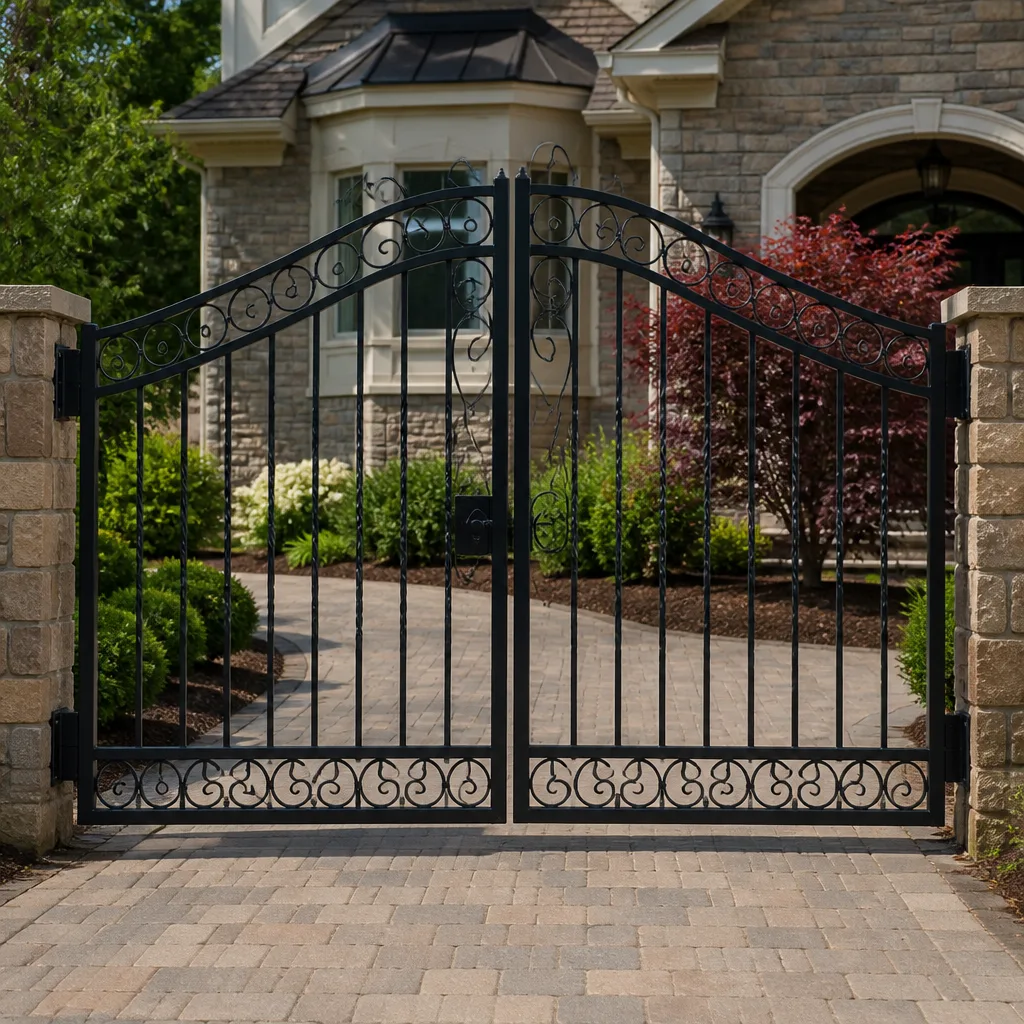 Wrought iron
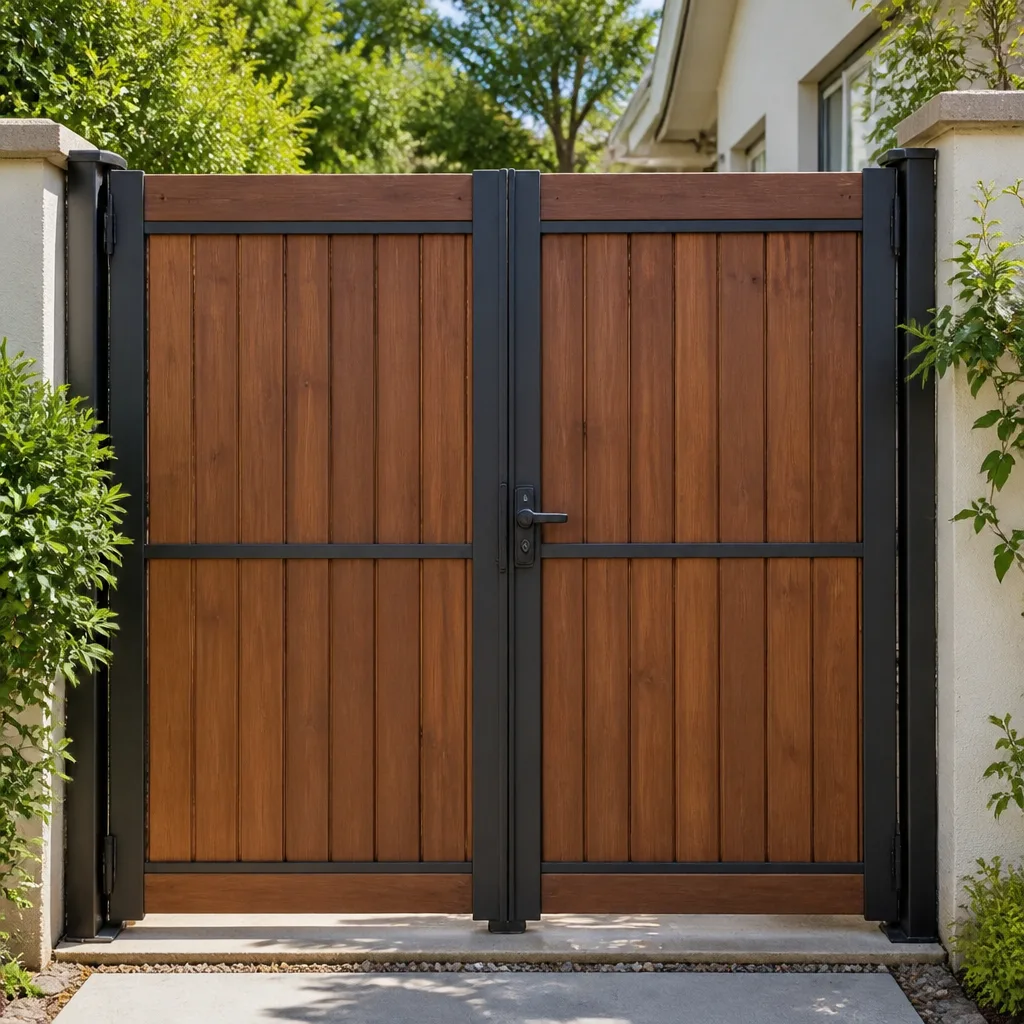 Wood & steel frame
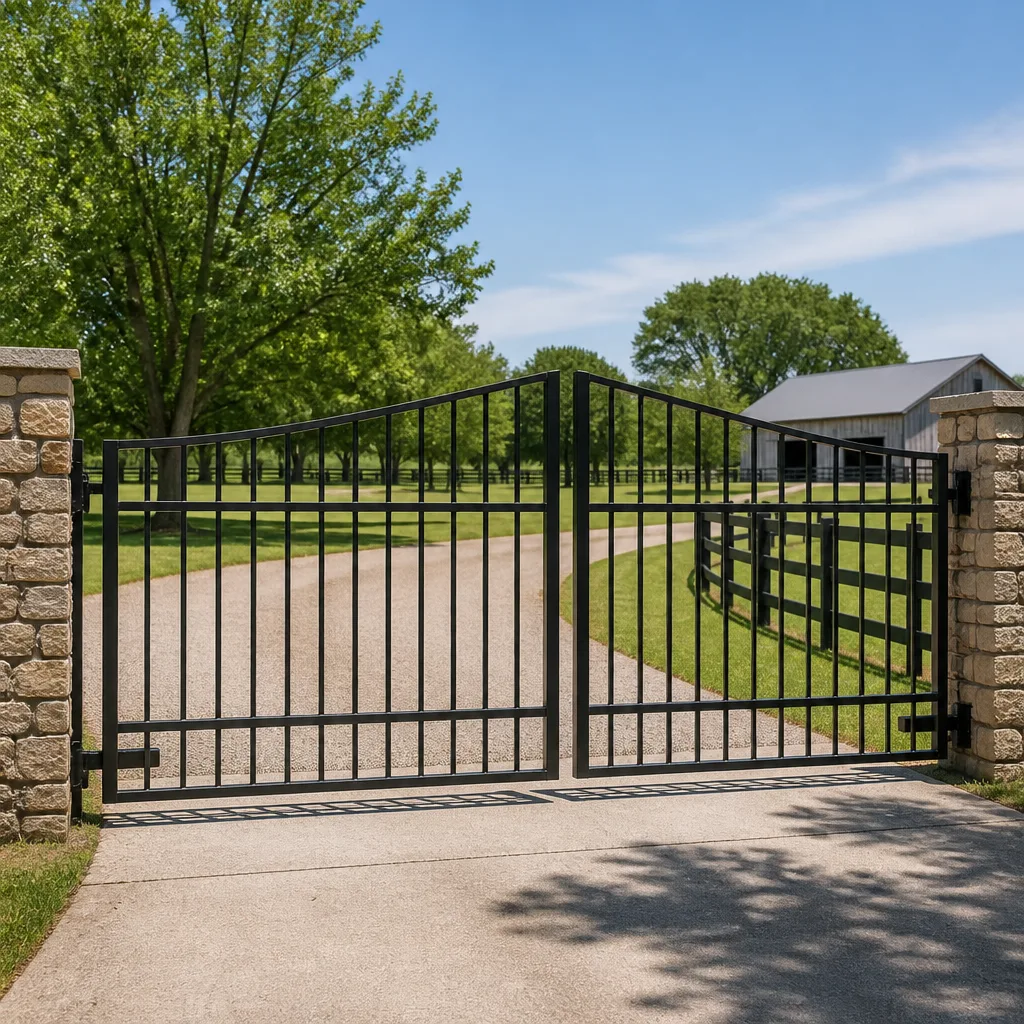 Farm & ranch
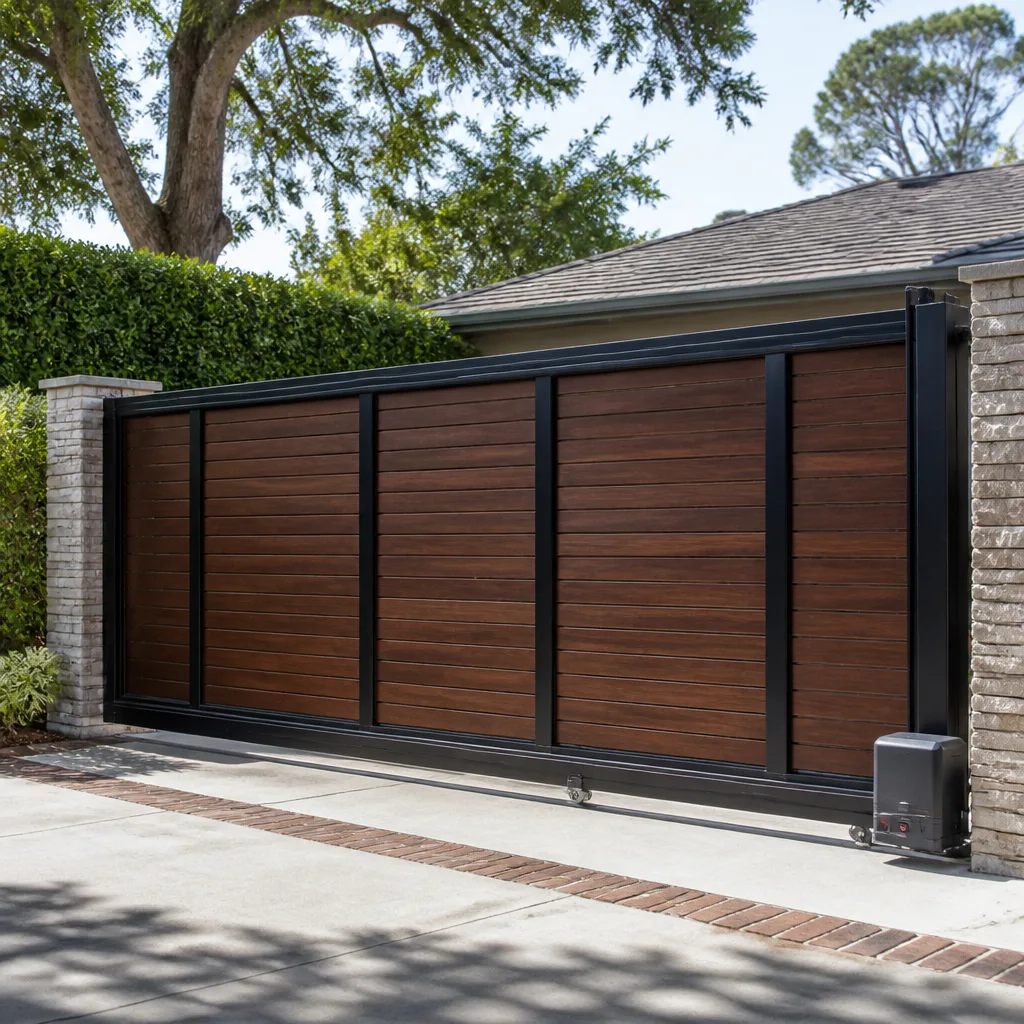 Sliding driveway gates
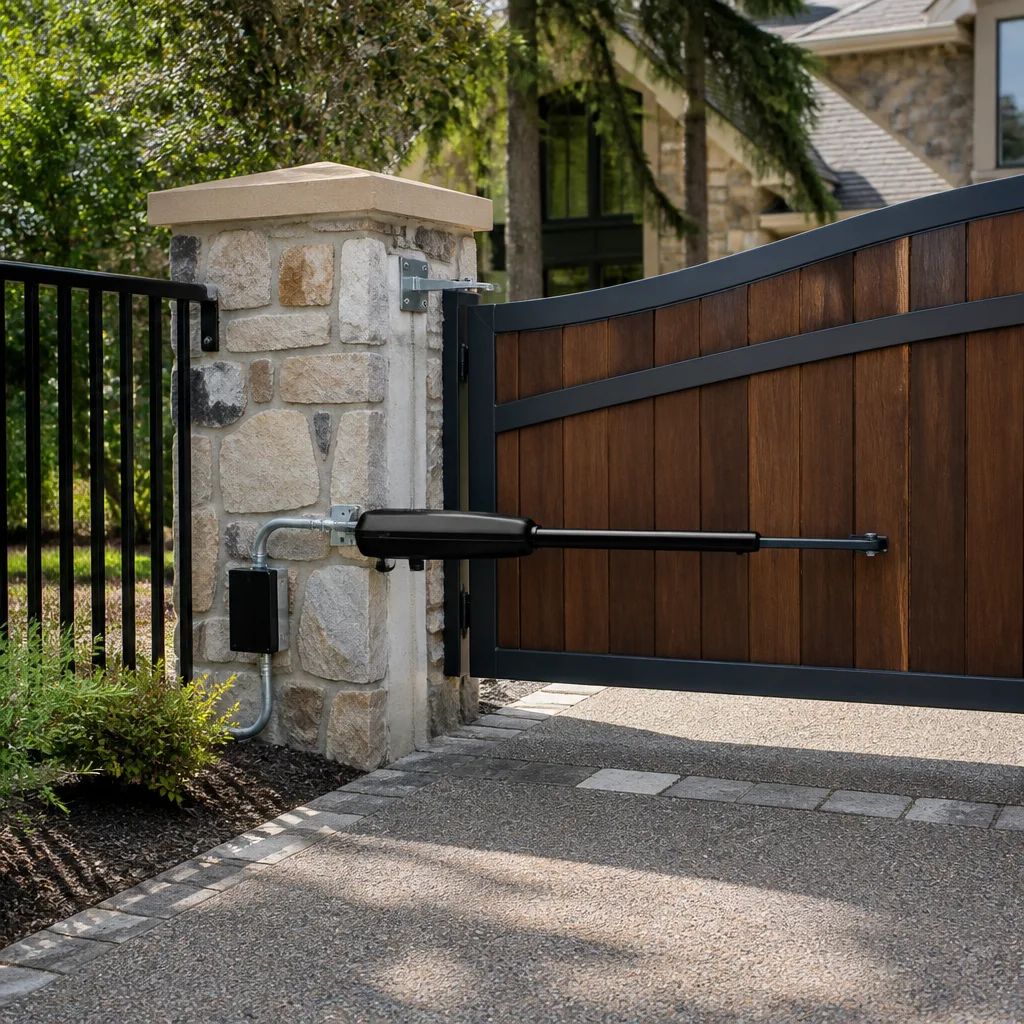 LiftMaster operators
Free on-site gate assessment - hinges, posts, and your LiftMaster or Nice gate operator checked before anything is quoted
The assessment is free and the quote is the invoice.
Get your free estimateGate Repair Permits, Codes & Inspections in CA: What You Need to Know
Most California homeowners assume that fixing a gate is a single decision: repair or replace. But in Ontario, CA and across the state, gate repair actually sits at the intersection of three separate rulebooks: structural code, electrical code, and the UL 325 automatic gate safety standard. What you’re allowed to do without talking to the City of Ontario planning department depends entirely on what’s being changed. Swapping a hinge on an existing swing gate? Almost certainly fine. Replacing a FAAC operator with a BFT operator that has different entrapment protection logic? That’s where things get legally complicated. This guide explains which repairs trigger permits, which codes inspectors actually enforce, and how HOAs layer their own requirements on top of city rules. For hands-on help, explore our Gate Repair services. We’re writing this from Ontario, where the mix of 1950s-era residential gates and newer commercial slide operators means we see every combination of old and new code.
Quick Answer
Gate repair in California requires a building permit when the work changes the gate’s structure, footprint, or automatic operator in a way that’s not a like-for-like part swap. Electrical work on automated gate systems falls under Title 24 Part 6 and must be done by a licensed contractor. UL 325 entrapment protection compliance is mandatory on every automatic gate repair that touches safety sensors, actuators, or control logic, regardless of whether a city permit is required. In short: if you’re replacing a broken part with the identical part and not changing how the gate opens, closes, or senses obstructions, you probably don’t need a permit. If you’re replacing an operator with a different model, class, or brand, you almost certainly do.
Styles & brands we work with
Table of Contents
- When Does a Gate Repair Trigger a Permit in Ontario, CA?
- UL 325 in California: The Entrapment Protection Standard Explained
- Gate Classes I-IV: What Your Operator Must Match
- The HOA Overlay: Dual Approval Requirements for Ontario Area Gates
- What City Inspectors Actually Check During a Gate Inspection
- Liability Exposure When You Skip Permits on Operator Replacement
- What Permits and Inspections Typically Cost in Ontario, CA
- Common Mistakes to Avoid
- When to Call a Professional
- Frequently Asked Questions
When Does a Gate Repair Trigger a Permit in Ontario, CA?
The City of Ontario follows California Building Code (CBC) Chapter 1, which defines “repair” narrowly: restoring a component to its original function, size, and location as originally permitted. Once the work changes any of those three things, it becomes an alteration and permit territory. Here’s what this means in practice for a typical Ontario property.
Like-for-like replacement, no permit: You replace a burned-out Linear arm actuator with a new Linear arm actuator of the same model and stroke. You swap a cracked hinge for a hinge of the same size and load rating. You replace a damaged photo eye with another photo eye wired to the same terminals. None of this requires a city permit, and in our experience, most Ontario inspectors would agree.
Like-for-like replacement, permit required under certain conditions: You replace a failed LiftMaster operator board on a commercial swing gate that has a recorded safety inspection history. Some municipalities, including Ontario, treat the repair of a previously permitted commercial operator as maintenance, but only if the replacement board is the same part number and the gate passes external entrapment tests. If the board is a revision newer than the original, the inspector can ask to see updated UL 325 verification.
Different-model operator replacement, permit required: This is the line most homeowners don’t know exists. If you replace a broken FAAC 400 operator with a FAAC 415 operator, you have changed the entrapment logic, stroke speed, and possibly the required safety device configuration. Under the 2023 CBC Section 105.2, any change to an automatic gate operator that alters its force, speed, or safety device requirement is classified as an alteration, not a repair. You must pull a permit and verify UL 325 compliance.
This is one of the most frequent questions we field at Electric Gate Repair in Ontario: can we just swap the operator and call it done? Legally, no. Practically, many property owners do it anyway, and we explain in the liability section why that’s a calculated risk with real consequences.
UL 325 in California: The Entrapment Protection Standard Explained
UL 325 is a national standard developed by UL, but California adopted it directly into the state building code through Title 24. This means a non-compliant automatic gate is not just an insurance concern; it is a code violation that can result in a stop-work order, mandatory correction, and in some cases removal of the operator. The standard covers automatic vehicular gates, pedestrian gates, and operators. The most relevant piece for homeowners in Ontario is entrapment protection, which is the system of sensors and force limits that prevents a gate from crushing a person, child, or pet.
Entrapment protection has two components: primary and secondary. The primary device is the force limiter inside the operator itself. It measures motor resistance and reverses the gate if it hits an obstruction. The secondary device is an external sensor, typically a photo eye or contact edge, that detects an obstruction before the gate physically reaches it. On most residential swing gates in Ontario, both components are mandatory. On slide gates, the primary force limiter plus at least two external sensors are required, positioned at the leading edge and the trailing edge.
Here are the specific sensor configurations California inspectors look for by gate type:
- Swing gates, open direction: At least one external entrapment sensor on the gate leaf itself, plus force-limiting circuitry in the operator.
- Swing gates, close direction: The same external sensor must also protect the close path, and if the hinge-side gap is exposed, a contact edge or pinching guard is required.
- Slide gates: Two external entrapment sensors (photo eye and contact edge) on both the leading and trailing edges, plus integrated force limiting. Slide gates present the greatest pinch hazard and get the strictest inspection treatment.
- Vertical pivot and barrier arms: External sensors on the underside of the arm and at the pivot point to prevent shearing injuries.
One thing we see constantly in Ontario: a non-compliant installation done in the 1990s or early 2000s that has been “working fine” for decades. The operator runs, but the photo eyes were never installed or have been disconnected. Under UL 325, that gate is a code violation, and if a child is injured, the property owner’s liability exposure is severe, not the installer’s. When we restore an older gate, we flag this condition immediately. Our technicians are trained on nine gate and operator brands including Viking, FAAC, BFT, and Linear, and part of every Gate Repair in Ontario visit is confirming that the entrapment system actually functions, not just that the gate opens and closes.
Gate Classes I-IV: What Your Operator Must Match
UL 325 divides automatic gate operators into four classes, and the class is not determined by the gate panel’s size or weight. It is determined by the intended use of the gate and the type of traffic that flows through it. This distinction matters because if you replace a Class I operator with a Class II operator that “looks the same” to you, you have not made a like-for-like repair. You have changed the UL classification of the entire gate system.
Each class has different entrapment protection requirements, and the operator itself must bear a UL sticker stating its class and compliance date. Here’s the breakdown:
- Class I: Residential vehicular gate. Intended for single-family homes and properties with up to four dwelling units. The operator’s force and speed are limited to reduce injury potential to a child who might be caught by the gate. External entrapment sensors are mandatory in both directions.
- Class II: Commercial/general access vehicular gate. Used in commercial properties, HOA communities, and multi-resident complexes. Higher force and speed are permitted because the user is assumed to be more safety-conscious. But the entrapment protection is actually stricter due to the higher kinetic energy. Inspectors in Ontario commercial districts always verify Class II operators meet the higher force and speed standards.
- Class III: Industrial/Limited access vehicular gate. Found at loading docks, secured parking structures, and industrial yards. The gate may be more powerful, but access must be restricted to authorized, trained employees. External sensors are still required, but the assumption is that trained adults are the only users.
- Class IV: Restricted access vehicular gate. The gate is controlled remotely and access is strictly limited to authorized vehicles. This class applies mainly to prisons, power plants, and high-security private installations, not typical Ontario residential or commercial properties.
A non-compliant installation looks like this: a Class II BFT operator installed on a single-family home gate because it was cheaper or available. That gate now has force and speed characteristics designed for adult commercial traffic, operating where a child might be playing. If that gate injures anyone, the operator’s class mismatch is one of the first things an insurance investigator or plaintiff’s attorney will document. In our experience at Ontario Gate Company, this happens more often than most homeowners realize, especially on rural properties in Ontario’s unincorporated perimeter where gates are large but the permitting process was never triggered. See our Gate Repair Warning Signs: A Ontario Homeowner’s Reference Guide to spot issues early.
The HOA Overlay: Dual Approval Requirements for Ontario Area Gates
Ontario and the surrounding Inland Empire communities have a high concentration of HOAs. Many neighborhoods developed in the 1980s and 1990s include gated communities with posted rules that predate current UL 325 standards. When you repair or replace a gate in one of these communities, the HOA’s architectural review committee is often a required approval layer on top of the City of Ontario permit.
The HOA doesn’t care about electrical code. It cares about aesthetics, noise, and maintaining uniformity across units. What this means in practice:
- Gate panel replacement: If you replace a damaged steel gate panel with a powder-coated aluminum panel of the same color and profile, most HOAs will approve it without much delay. But if the original panel was a specific color matched to the community standard, deviating from that standard without approval can trigger a violation notice even if the city doesn’t care.
- Operator change: Replacing a noisy chain-driven operator with a quieter belt-driven unit is often welcomed by HOAs, but only if the new unit’s control box mounts in the same footprint. A smaller box that leaves visible holes in stucco or a different pedestal height can trigger architectural review. We’ve seen HOA boards require repainting of new pedestal enclosures before final approval.
- Adding safety devices: Installing new photo eyes or contact edges frequently triggers HOA approval because the devices may be visible. Some HOAs specifically prohibit surface-mounted photo eyes on pillars and require recessed mounting, which is more labor intensive and more expensive.
For a homeowner in Ontario, a missed HOA approval means fines and a forced restoration at your own cost, even if the City of Ontario has already signed off on the gate. We recommend checking your CC&Rs for the architectural review trigger threshold before starting any gate work. In our experience, any change visible from the street side of the gate, including the operator arm and control box, typically requires dual approval. We do not handle HOA submissions for you, but a qualified Gate Installation in Ontario contractor can usually tell you within the first visit what your HOA will flag based on the specific community’s rules.
What City Inspectors Actually Check During a Gate Inspection
Most homeowners assume a city inspector shows up with a tape measure and a checklist of structural issues. In Ontario, the reality is different for automatic gates. The building inspector will check the structural attachment of the gate to the posts and the posts to the foundation, but the electrical inspector’s focus is UL 325 compliance and the entrapment protection system. Here’s what happens during a typical permitted gate inspection in Ontario:
- Permit and documentation review: The inspector verifies that the permit number matches the work being done and that the operator’s UL 325 compliance documentation is present. You will be asked for the operator’s UL sticker or compliance certificate.
- Structural attachment check: The inspector bolts, welds, and post embedment are checked against the approved plans. This is particularly important in Ontario’s alluvial soil, where shallow post footings can shift. The inspector may ask to see the footing depth and concrete coverage.
- Electrical rough or final inspection: The inspector tests the disconnecting means, verifies that the circuit is properly grounded, and confirms the operator is wired in accordance with the manufacturer’s instructions. In Ontario, the disconnect must be within sight of the operator and readily accessible, which many older installations fail.
- UL 325 entrapment test: The inspector places a test obstruction in the gate’s path and verifies that the gate reverses on contact. On swing gates, this is usually done with a static object. On slide gates, the inspector may test both leading and trailing edge sensors independently.
- Safety edge continuity test: If the gate uses contact edges, the inspector will verify that the edges are wired continuously and that a break in the edge circuit forces the gate to stop or reverse. This is one of the most commonly failed tests on older Ontario gates.
- Final walkaround: The inspector looks for any exposed pinch points, gaps between the gate and the post that could trap a small child, and overall condition of the gate panel and hardware. Any noted deficiency must be corrected before the permit is closed.
What most homeowners assume inspectors check is the gate’s paint condition or whether the gate opens smoothly. What they actually check is entrapment protection, electrical safety, and structural stability. The biggest surprise for homeowners in Ontario is when an inspector walks the hinge-side gap and measures it with a finger-sized gauge. If a child’s hand can fit between the gate and the post, the inspector can require a guard or shield before final sign-off, even if that requirement was not in the original permit.
Liability Exposure When You Skip Permits on Operator Replacement
Skipping a permit on an operator swap is a calculated risk that exposes the property owner to far more than a potential fine. The legal and financial consequences multiply if the gate ever injures someone. In California, premises liability law holds property owners responsible for conditions on their property that they knew or should have known were dangerous. A non-permitted operator replacement creates a paper trail, or more accurately a lack of one, that makes that knowledge argument nearly impossible to defend against.
Here are the specific liability risks in Ontario and across California:
- Presumption of negligence: California case law has recognized that a property owner who alters a safety-regulated system without the required permit is presumed to have acted negligently. This shifts the burden of proof onto the owner to show that the gate was safe, which is difficult without an inspection record.
- Insurance coverage denial: Many California homeowner policies contain exclusions for injuries caused by unpermitted work. If the gate injures a visitor and the operator was replaced without a permit, the insurance company will investigate the work history. A denial of coverage means the homeowner pays out of pocket.
- Child entrapment cases: When a child is injured, the plaintiff’s attorney will retain an expert who will testify about UL 325 compliance. If the gate’s safety devices are missing, disconnected, or mismatched to the operator class, and no permit record exists showing the work was inspected, settlement amounts escalate rapidly. We’ve seen this in Ontario specifically, where a Class II operator intended for commercial use was found on a residential gate after an incident.
- Disclosure obligations: When you sell a home in California, the seller’s disclosure form asks whether any work was done without permits. A non-permitted operator replacement must be disclosed, and it will either kill the deal or force a price reduction. If you fail to disclose and the buyer gets injured later, the liability transfers to you. The Ontario real estate market is competitive, and non-disclosed unpermitted gate work is one of the more common surprises we uncover during buyer inspections.
Our advice, grounded in decades of gate work across Ontario, is to pull the permit when the operator model changes, when the gate panel is replaced rather than spot-repaired, or when the safety devices are being reconfigured. For step-by-step diagnostics, read our Gate Repair Troubleshooting: Common Problems and How to Fix Them. The permit fee is a fraction of the liability exposure of running an uninspected, non-compliant gate.
What Permits and Inspections Typically Cost in Ontario, CA
The cost of gate repair permits in Ontario, CA varies by the scope of the work, but the numbers are modest compared to the potential liability of skipping the process. Here’s a realistic breakdown of what you should budget, based on current City of Ontario fee schedules and our experience with recent permitted projects.
| Permit or Inspection Item | Typical Cost Range in Ontario, CA |
|---|---|
| Residential gate repair permit (like-for-like, when required) | $90 – $180 |
| Alteration permit for operator replacement | $150 – $350 |
| Electrical permit (separate, for new circuit or disconnect) | $120 – $280 |
| Building inspection (per visit) | $85 – $150 |
| UL 325 compliance verification (if required by inspector) | $75 – $200 |
| Total for typical operator replacement with electrical work | $450 – $1,000 |
These costs should not be confused with the repair itself. The gate parts and labor are separate. The permit simply covers the city’s review and inspection. For a full Gate Installation in Ontario, the permit costs may be higher because structural engineering and site plan review are involved, especially for new automated gates on properties that didn’t have one previously.
One common misconception in Ontario is that a permit is only required if the city finds out. In reality, the permit is the cheapest insurance policy you can buy for gate work. The cost of the permit is small compared to the cost of retrofitting a non-compliant gate after an inspection failure or defending a liability claim after an injury.
Common Mistakes to Avoid
- Replacing an operator without checking the UL class. Homeowners buy a used or discounted operator online, install it on their Ontario gate, and never check whether the class matches the gate’s use. If the class is wrong, the entrapment protection is wrong, and the gate is a code violation from day one.
- Assuming “the gate still opens” means it’s safe. We’ve seen gates in Ontario that have run for 15 years with the photo eyes disconnected because the homeowner bypassed them when they kept triggering. The gate opens and closes fine. It’s also a UL 325 violation and a serious entrapment risk.
- Pulling the permit but using an unlicensed electrician for the wiring. California requires a licensed contractor for the electrical portion of an automatic gate. Using an unlicensed person saves money until the inspector asks for the electrical certificate and the work has to be torn out.
- Ignoring the HOA until after the work is done. Ontario-area HOAs are particularly strict about gate appearance and operator noise. If you install a new Viking operator without architectural approval and the HOA objects, you may be forced to remove it and restore the original, at your cost.
- Treating a slide gate repair like a swing gate repair. Slide gates have different entrapment protections, different force limits, and different inspection requirements. We regularly see Ontario property owners who apply the same “just fix it” logic to both types, and the slide gate fails inspection because the trailing edge sensor was never installed.
- Skipping the permit because “the old gate never had one.” If the previous gate was installed before the current code adoption, or was never permitted, that doesn’t grandfather your new work. When you replace the operator, the new work must meet current code, regardless of what was there before.
When to Call a Professional
Some gate work is straightforward enough for a capable homeowner: greasing a hinge, tightening a bolt, cleaning a photo eye lens. But the moment the work touches the automatic operator’s control board, the safety sensors, the force limiter, or the electrical disconnect, you need someone who has diagnosed and repaired these systems on hundreds of gates. In Ontario, call a professional when: the gate reverses unexpectedly or fails to stop on contact; you’re switching operator brands or models; the safety edges are cracked or the photo eyes are misaligned; the HOA is requiring documentation you don’t have; or a city inspector has flagged a compliance issue. Ontario Gate Company specializes exclusively in gates. Our technicians are trained on the specific Viking, FAAC, BFT, and Linear operators common in Ontario, and we diagnose on-site rather than guessing over the phone. We offer free estimates in Ontario, CA. Call (855) 707-3634 for a free estimate.
Frequently Asked Questions
You need a permit in California when the repair changes the gate’s structure, footprint, or operator in a way that’s not a like-for-like replacement. A like-for-like repair, such as replacing a broken Linear actuator with the same model, typically does not require a permit in Ontario, CA. If the operator changes to a different model or brand, a permit is required because UL 325 entrapment protection must be re-verified. Call (855) 707-3634 if you’re unsure whether your specific repair needs a permit.
Yes, UL 325 applies to all automatic vehicular gates in California, including residential, commercial, and industrial installations. The standard requires external entrapment sensors in both the open and close directions on most gate types, plus force-limiting circuitry in the operator. A gate that lacks these devices is a code violation in California and an entrapment risk.
If your gate fails an inspection in Ontario, the inspector issues a correction notice that lists the specific deficiencies, and the work cannot be re-inspected until those items are corrected. Common failures include missing photo eyes on a slide gate’s trailing edge, disconnected safety edges, and operators that do not reverse on contact. You’ll need to correct the issues and schedule a re-inspection, which involves an additional fee.
In many Ontario-area HOAs, yes. HOA architectural review committees often require pre-approval for any change to a gate that is visible from the street, including new operators, panels, and safety devices. Check your CC&Rs before starting work. The HOA approval is separate from and in addition to any City of Ontario permit requirements.
California law allows a homeowner to install an automatic gate operator on their own property without pulling a permit, provided the work is solely for their own residence and the operator is a like-for-like replacement. However, if the installation involves electrical work, a licensed electrician is required. If you later sell the home, the unpermitted operator must be disclosed, and it will likely damage the sale.
Gate repair in Ontario, CA typically ranges from $180 to $400 for basic mechanical repairs like hinge replacement and sensor alignment, and $500 to $1,500 for operator replacement including the permit and inspection costs. The specific cost depends on the gate type, operator brand, and whether safety devices need to be upgraded. Call (855) 707-3634 for an exact quote. Estimates are free, and we quote the full price before any work starts.
The Bottom Line
Gate repair in California is a permitting question first and a mechanical question second. Like-for-like part swaps on your existing gate won’t require a permit in Ontario, but anything that changes the operator, the safety devices, or the gate structure falls under a different set of rules. UL 325 compliance is the invisible line that separates a safe gate from a liability nightmare, and California inspectors take it seriously. If you’re not sure whether your gate repair needs a permit, the right answer is to ask a gate-specific contractor before you start. Ontario Gate Company handles gate repair, electric gate repair, and gate installation in Ontario, CA, with technicians trained across the brands you actually see in this market. Call (855) 707-3634 for a free estimate, and we’ll tell you exactly what your job requires before any work begins.
Written by the team at Ontario Gate Company, serving Ontario since 2011. Browse more guides & resources on gate safety and compliance.
See the difference
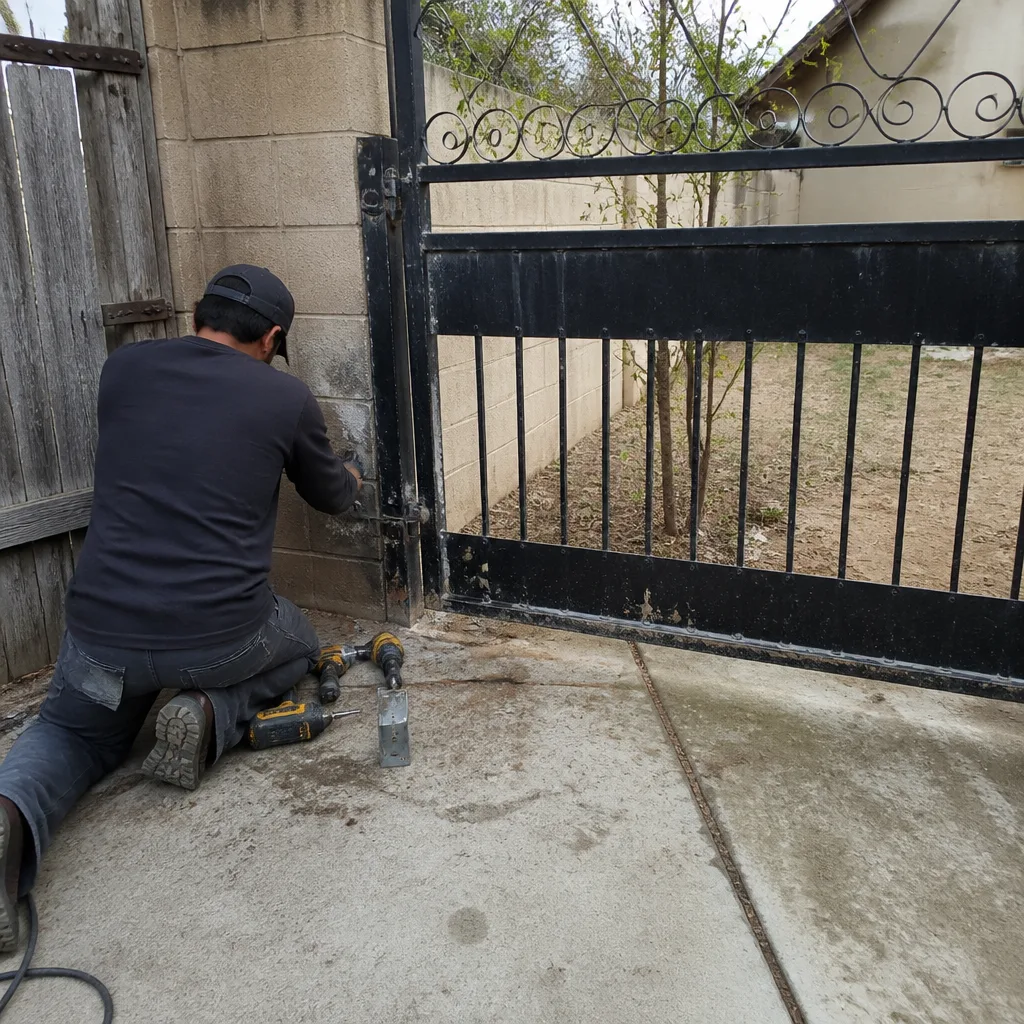 Before
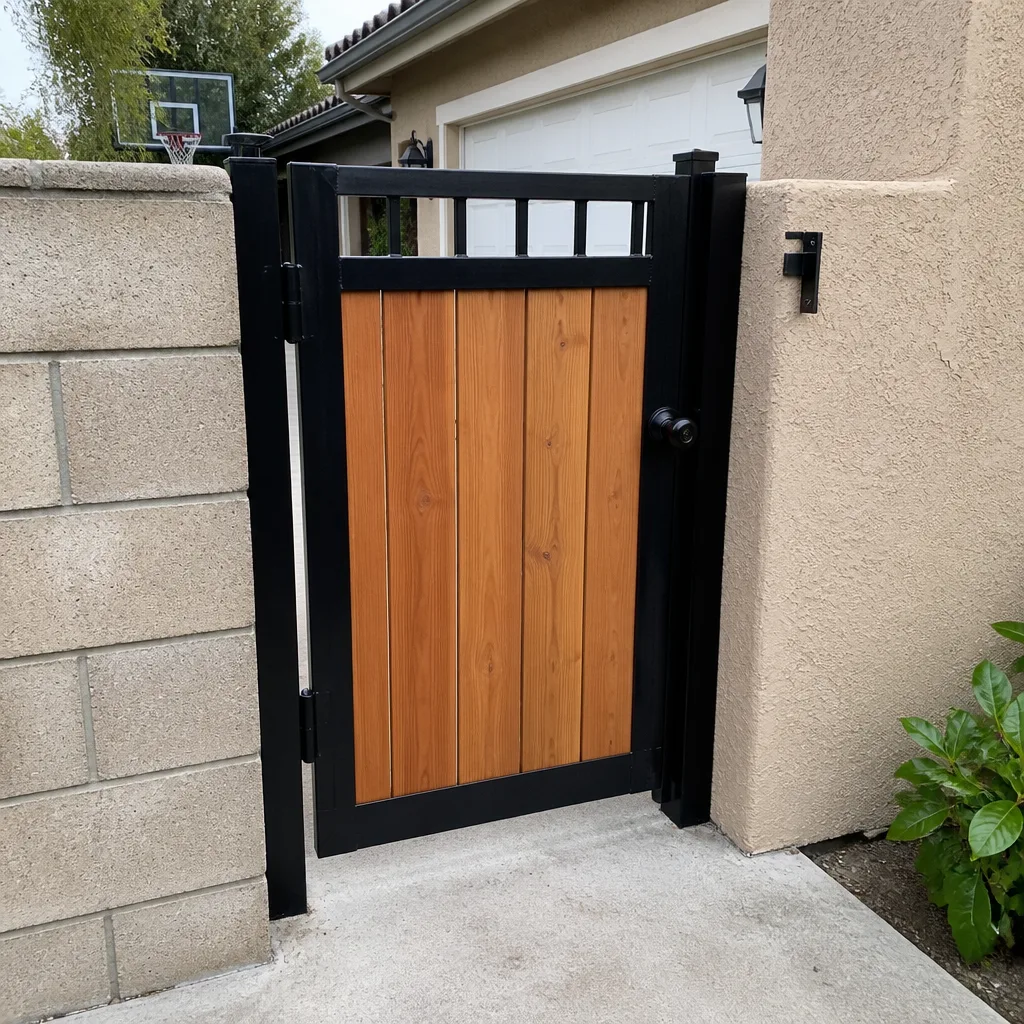 After
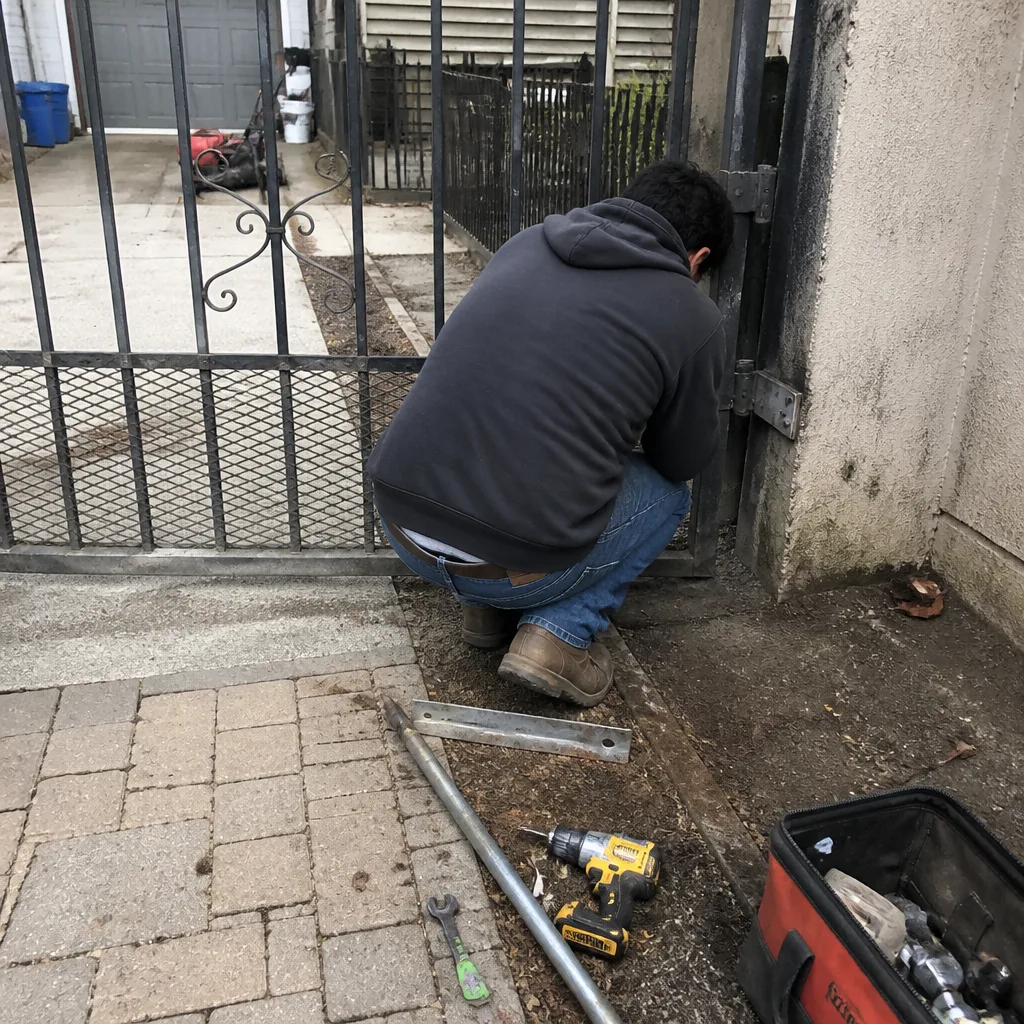 Before
 After
 Before
 After